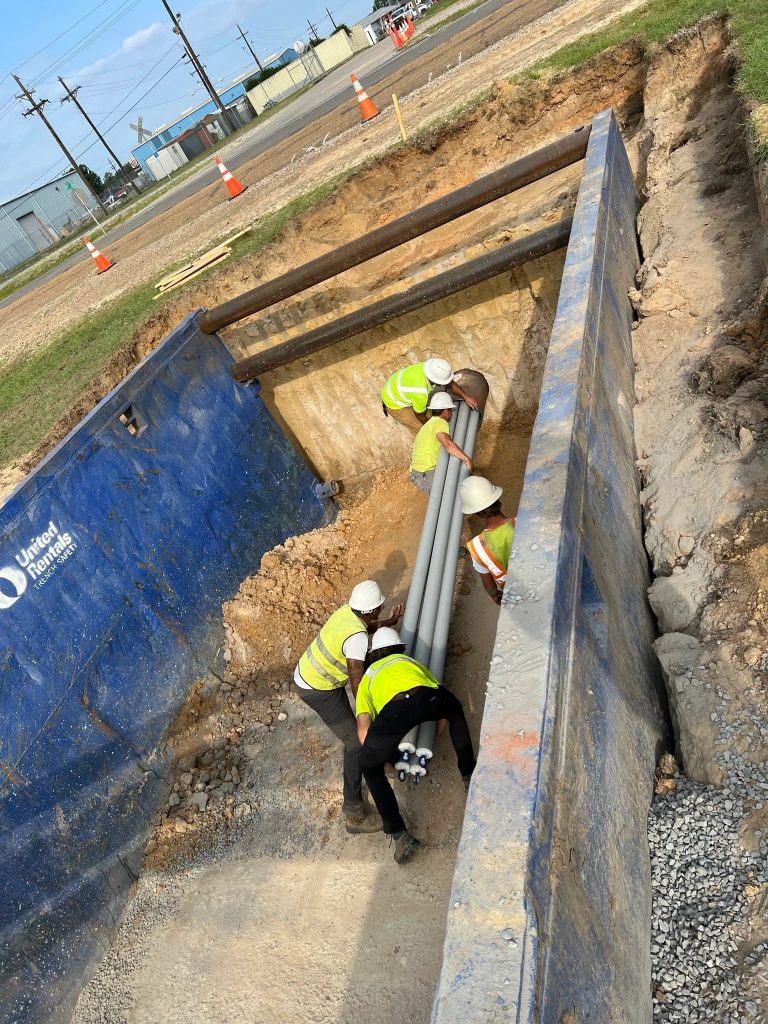
A Safety-First Culture
M.A.D.E maintains a safety program built to meet OSHA, EM 385-1-1 (U.S. Army Corps of Engineers) and site-specific requirements on every federal installation we enter. Safety is not a checkbox; it is built into every phase of project delivery.
Field teams complete daily Job Hazard Analyses, hold regular toolbox talks and keep a zero-tolerance policy for unsafe behavior. Every crew member carries current certifications for the work they perform.
OSHA Construction Standards
Work performed to OSHA 29 CFR 1926 and applicable Tennessee regulations.
EM 385-1-1
The U.S. Army Corps of Engineers safety manual required on DoD construction projects.
Daily Job Hazard Analysis
Every work day starts with a documented JHA, reviewed and signed by the crew on site.
Trained Crews
Technicians carry current credentials for their tasks, such as fall protection, confined space and first aid.
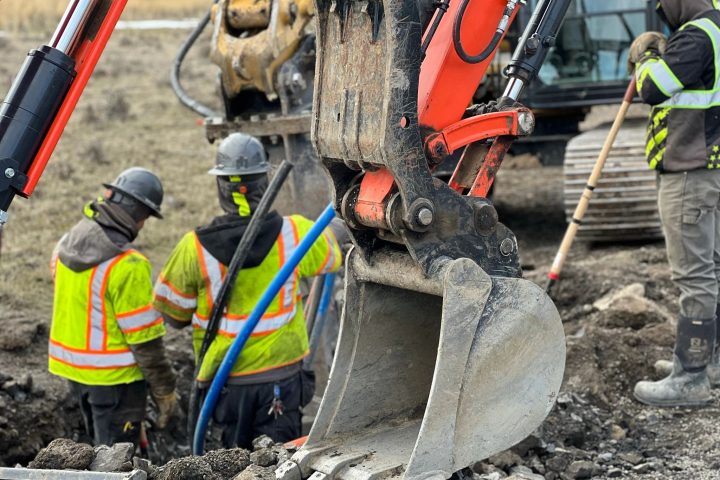
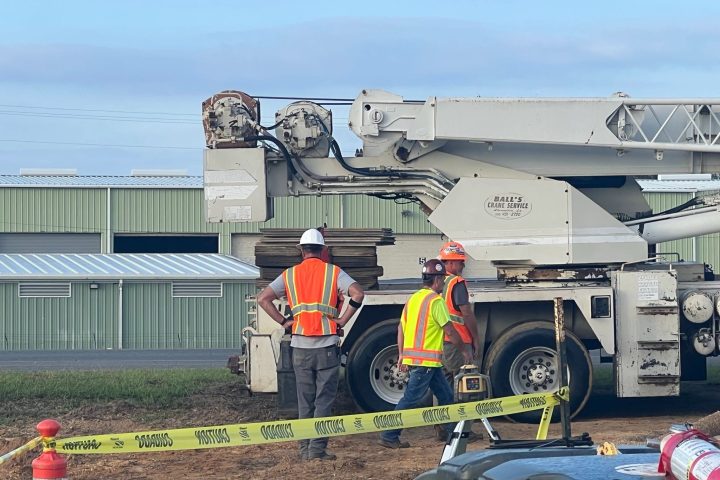
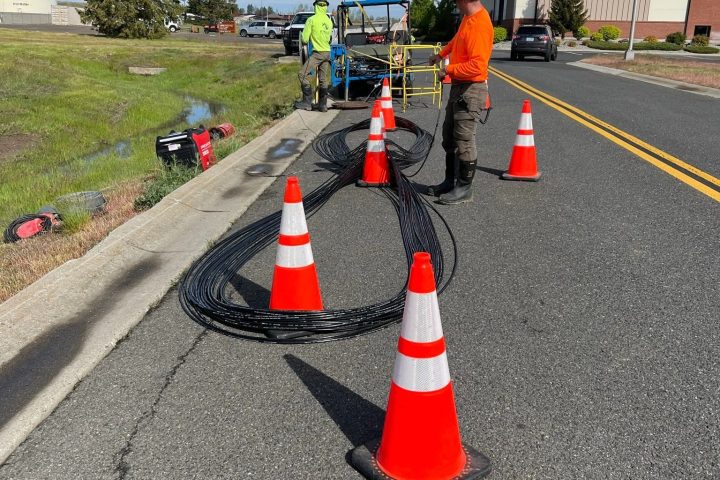
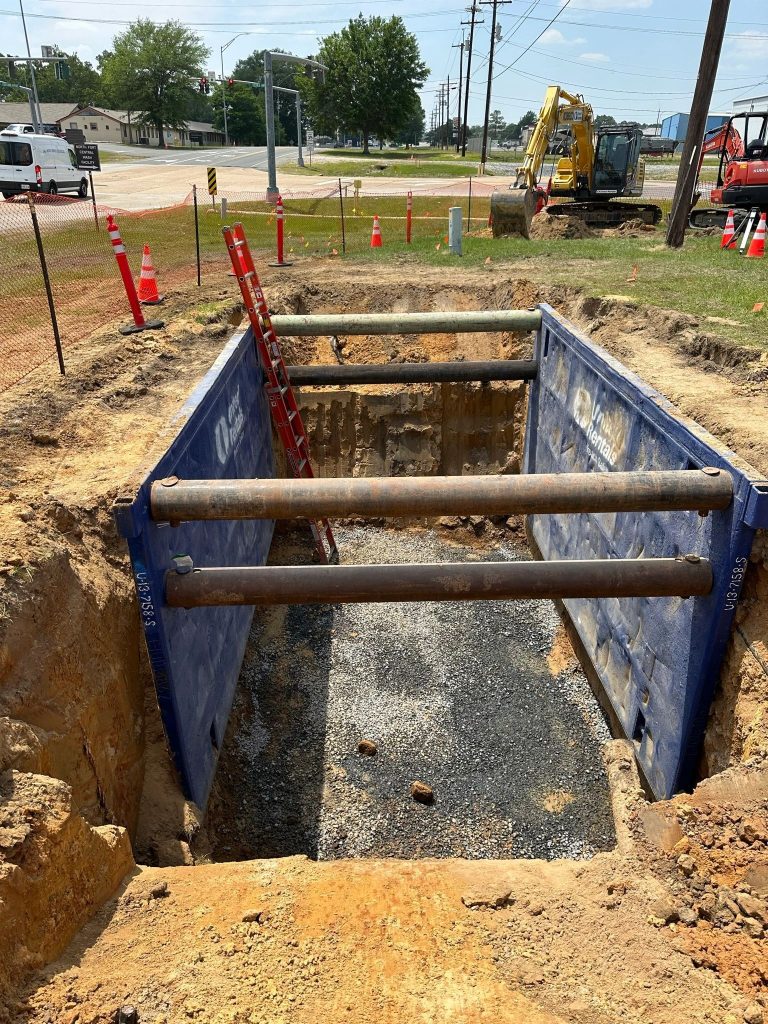
Safety in Practice
Controlled Work Zones
Incident Response and Reporting
If a safety incident occurs, M.A.D.E follows a structured response and reporting process aligned with federal and client requirements. Near misses get the same attention as recordable incidents, because prevention depends on honest reporting.
- Stop-work authority for every team member
- Incident investigation within 24 hours
- Root cause analysis and corrective action tracking
- Safety metrics reported to project stakeholders